Pie Cafe Colorado Springs: The Perfect Spot for Fresh-Baked Treats
@andresoape817
November 24, 2026 · 15 min read
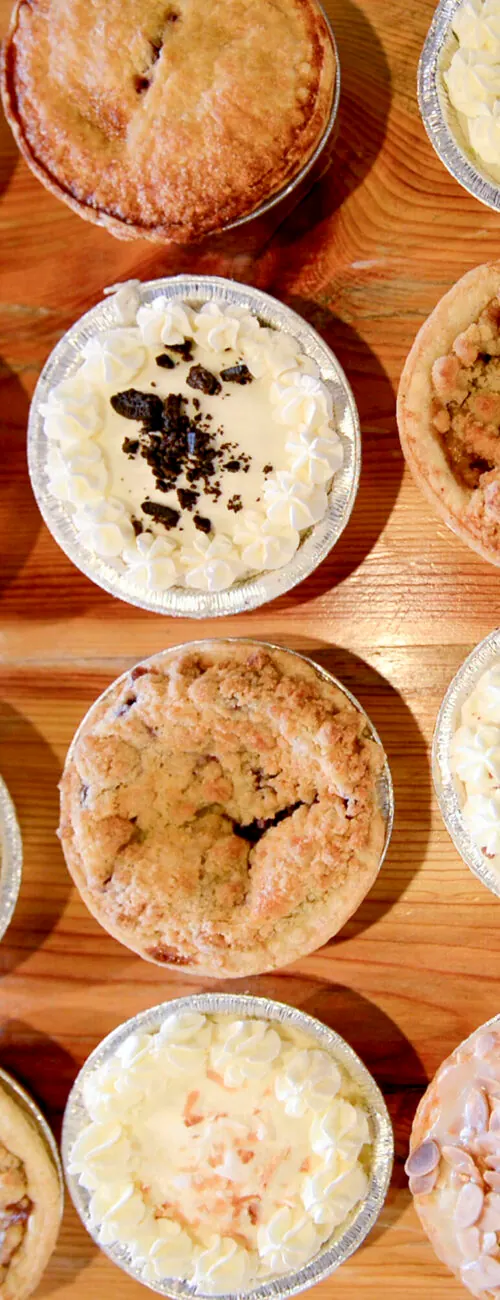

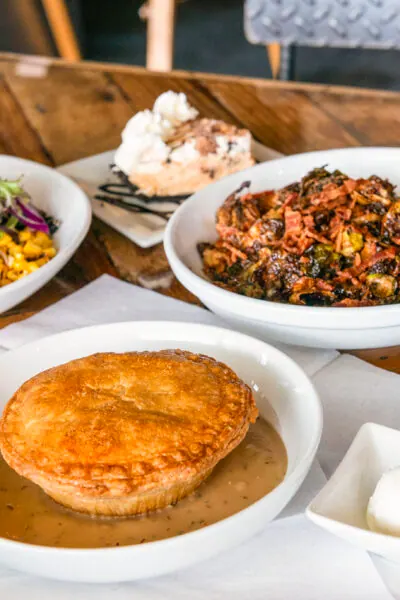
There are plenty of ways to judge a bakery, but pie changes the standard. Bread can hide behind a crisp crust. Pastry can impress with decoration alone. Pie has nowhere to hide. The crust has to be tender without turning limp. The filling has to taste like real fruit, real butter, real spice, not a shortcut from a can or a syrup-heavy base. The slice has to hold together just long enough to make it from plate to fork, then give way cleanly. When a place gets pie right, it usually gets hospitality right too.
That is why the idea of a standout pie cafe Colorado Springs experience feels so specific, and so appealing. Colorado Springs already has the kind of setting that makes people slow down a bit when they eat. You have mountain views, dry high-country air, distinct seasons, and a local dining culture that rewards places with personality. In a city like that, a pie cafe is not just somewhere to grab dessert. At its best, it becomes a place people build small rituals around, a late breakfast after a cold morning walk, a midafternoon coffee with a slice of seasonal fruit pie, a quiet table where regulars know when peach season is coming before the menu says so.
The charm of a pie cafe starts with freshness, but that word gets overused. In practice, fresh-baked means a few things customers can actually see, smell, and taste. It means the room carries the scent of butter and cinnamon, not artificial vanilla pumped through a vent. It means the display case changes with the season. It means crust that flakes onto the plate instead of cutting like cardboard. It means fillings that are bright and balanced rather than aggressively sweet. If a cafe can deliver those details consistently, people notice. More important, they return.
Why pie feels especially right in Colorado Springs
Colorado Springs has a food scene with an interesting split personality. Part of the city leans practical and outdoorsy, where people want strong coffee, sturdy breakfasts, and food that feels honest. Another part appreciates comfort, nostalgia, and a little indulgence after a long day or a weekend outing. Pie sits perfectly in that overlap.
There is also something about pie that suits a city shaped by the seasons. Spring calls for lighter fruit fillings and citrus notes. Summer opens the door to berry pies, stone fruit, and chilled cream options. Fall belongs to apple, pecan, and pumpkin-spice-adjacent flavors done with restraint. Winter favors deeper, richer slices, chocolate chess, bourbon pecan, savory pot pies, and warm plates served with coffee while the weather sharpens outside. A strong pie cafe in Colorado Springs can make those seasonal shifts feel natural rather than performative.
Altitude matters too. Baking at elevation is not a minor adjustment. It affects moisture, structure, rise, and even how fillings set. A bakery that consistently turns out great pie in Colorado Springs is showing real technical skill, whether customers realize it or not. Good pie at altitude takes experience. Too much thickener and the fruit turns gummy. Too little and the slice collapses. The crust can dry out fast if the dough is not handled carefully. When a local cafe makes it look easy, that usually means someone in the kitchen has spent years learning how flour, butter, and heat behave here.
The difference between homemade and merely rustic
A lot of cafes want to look homemade. Fewer actually taste that way.
The easiest way to spot the difference is in the crust. Truly good pie crust has contrast. The edges should be browned and lightly crisp, while the interior layers stay tender. You should taste butter, salt, and flour in balance. If every bite shatters into dust, it is overworked or overbaked. If it chews like a soft cracker, it likely spent too long in the case or started with weak technique.
Fillings tell the next part of the story. Fruit pie should taste like fruit first, sugar second. Apples should still have some shape. Berries should keep their character instead of melting into a single, jammy mass. Cream pies should feel rich but not greasy, sweet but not sticky. Savory pies should not rely on salt to create the illusion of depth. A chicken pot pie, for example, needs proper stock, careful seasoning, and vegetables that still taste like themselves.
This is where a memorable pie cafe Colorado Springs destination separates itself from an ordinary dessert stop. The best places do not just sell pie. They treat each variety like its own recipe problem. Cherry pie needs a different hand than banana cream. A pecan pie has to avoid the grainy, overset texture that ruins so many slices. Quiche, if a cafe offers it, requires the same care with custard that cream pies do, only with less sugar and no room for disguise. Skill matters in every case.
More than dessert, the case for an all-day pie cafe
One of the smartest things a pie-focused cafe can do is avoid confining itself to after-dinner traffic. Pie works all day if the menu is built thoughtfully.
In the morning, quiche, hand pies, breakfast galettes, and coffee create a natural draw. There is a reason pastry cafes that offer one savory option alongside sweets often develop a loyal breakfast crowd. By lunch, pot pies and hearty slices paired with salad or soup can carry the menu without trying to compete with full-service restaurants. In the afternoon, the room can shift into something softer and slower, coffee cups, shared slices, laptops in one corner, two friends catching up in another. By evening, dessert traffic takes over.
That rhythm gives a pie cafe a broader role in the neighborhood. It becomes useful, not just indulgent. And usefulness is one of the strongest foundations for local loyalty. People may drive across town once for a novelty dessert. They return weekly for a place that fits naturally into the shape of a real day.
What people usually want when they search for pie cafe Colorado Springs
Search behavior tells its own story. When people look up a pie cafe in Colorado Springs, they are usually after more than a menu. They want a combination of reliability and atmosphere. They are asking practical questions beneath the query. Is this a place for a quick coffee and slice, or a long catch-up lunch? Are the pies made in-house? Is there a seasonal selection or the same few offerings every day? Can I bring out-of-town guests here and feel confident it will deliver?
Those questions matter because pie is often tied to emotion. People do not just crave sweetness. They want comfort, memory, and a sense that someone made something with care. A great pie cafe meets those expectations in quiet ways. Staff know how to describe what is fresh that day. The coffee is hot and not an afterthought. Plates arrive looking generous but not sloppy. The room has enough warmth to feel welcoming without sliding into kitsch. Customers can sense when a place has figured out who it is.
The atmosphere that keeps people lingering
Cafe atmosphere is easy to underestimate until it is wrong. Pie asks for a setting that supports it. Too sleek, and the experience loses some of its warmth. Too cluttered, and it starts feeling staged. The best pie cafes usually land in the middle. They feel lived in, but not tired.
Light matters. Natural light does a lot of work in a bakery space, especially in a city with Colorado Springs' bright, often clear days. Seating matters too. A room with only tiny café tables can frustrate groups or families. A room with only oversized communal tables can make solo guests feel exposed. Good pie cafes tend to offer a mix, small two-tops near the windows, a few larger tables deeper inside, maybe counter seating for quick visits.
Sound matters as much as design. If grinders, dishes, and music turn the room into a constant clatter, customers will not stay long. That may not hurt grab-and-go sales, but it limits the cafe's role in the community. The memorable spots are often the ones where people can hear each other without leaning in, where a slow weekday afternoon feels just as welcome as a busy Saturday rush.
Fresh-baked means timing, not just ingredients
Even strong bakeries can struggle if they do not respect timing. Pie has a narrow window where it is at its peak. Fruit pies need enough cooling time to set properly, but not so much that the crust goes stale. Cream pies need cold storage, careful handling, and smart rotation. Savory pies need holding methods that keep them crisp without drying out. None of that is glamorous, but it is what turns a good recipe into a dependable product.
A cafe that bakes throughout the day often has an edge here. Customers notice when slices taste like they were cut from a pie finished that morning rather than a pie baked two days ago. You can often tell from the crust alone. Fresh crust has energy to it. It breaks cleanly. It still carries aroma. By contrast, old crust goes quiet. It may still look fine under display lights, but the bite gives it away immediately.
For operators, there is always a trade-off. Baking more often in smaller batches can improve quality, but it raises labor demands and complicates inventory. Baking large runs improves efficiency, but risks a stale case by late afternoon. The best pie cafes find a rhythm that matches foot traffic. They know what sells quickly, what can be refreshed, and what should run out rather than linger. Running out of a favorite item now and then is not a failure. In many cases, it is evidence of judgment.
The flavors that tend to win people over
Classic pies dominate for a reason. Apple, cherry, pecan, pumpkin, key lime, banana cream, and chocolate cream earn their place because people return to them year after year. But the best cafes do not stop there. They build trust with the classics, then earn attention with a few seasonal or house specialties.
A Colorado Springs pie cafe can do a lot with local rhythm and regional taste. Stone fruit in late summer, mixed berry when produce is at its best, cinnamon-forward apple varieties in the fall, and richer custard or nut pies in colder months all make sense. Savory offerings can be just as compelling. A good green chile hand pie or a rotating vegetable galette speaks to local appetite without turning the menu into a gimmick.
There is a practical advantage to range, too. Groups rarely arrive wanting the same thing. One person wants a sweet breakfast, another wants something savory, someone else needs gluten-aware options or lighter flavors. A cafe does not need a massive menu to handle that mix, but it does need thought. A compact, focused selection usually performs better than a broad menu where half the items feel secondary.
Pairing pie with coffee, tea, and the rest of the menu
A pie cafe lives or dies partly by its beverage program. That may sound dramatic, but the relationship is straightforward. Pie invites a drink, and the wrong drink can flatten the experience. Over-roasted coffee will bully a subtle cream pie. Weak coffee disappears beside a rich pecan or chocolate slice. Tea can be excellent with fruit pies, but only if it is brewed properly and served with the same care as the pastry.
You do not need a sprawling specialty beverage menu to support pie well. You need competence. Coffee that tastes fresh. Espresso drinks with balanced milk texture. Black tea that is not stewed to bitterness. Maybe a few seasonal options that make sense with the bakery case rather than competing with it. If a cafe offers breakfast or lunch, house-made lemonade, cold brew, and a few simple sodas can round things out nicely.
The strongest pairings often stay simple. Apple pie with drip coffee. Key lime with iced tea. Cherry pie with a cappuccino if the espresso leans chocolatey rather than sharp. Chicken pot pie with a clean black tea or even sparkling water. Customers may not articulate those combinations in technical terms, but they feel the difference when the pairing works.
What makes a pie cafe worth revisiting
First visits happen because of curiosity. Repeat visits happen because the place proves itself in small, repeatable ways.
Here is where regulars usually make up their minds:
- The crust is consistently good, not just good on one visit.
- Staff can describe what is fresh and what is seasonal without sounding scripted.
- The coffee and tea are handled with as much care as the pastry.
- The room feels comfortable enough to stay awhile.
- Prices match the quality, portion, and experience.
Consistency matters more than novelty in this category. People forgive a sold-out pie. They do not forgive a soggy crust served twice. They appreciate a rotating special. They trust a place that can nail apple pie every single week. That is the real test of a pie cafe. Not whether it can surprise people, but whether it can reassure them without becoming boring.
Visiting with different expectations
One of the underappreciated strengths of a good cafe is flexibility. The same room may need to serve several kinds of customers in one day. A solo diner reading for half an hour needs something different than a family with two children and dessert on the agenda. A couple on a casual date may want table service and a slow pace. Someone on a lunch break needs speed and clarity.
The best cafes make those shifts look effortless. Counter ordering can work well if the flow is intuitive and the menu is easy to read. Table service can feel more polished, but only if staffing levels support it. Hybrid models often do best in bakery spaces, order at the counter, receive a table number, get your pie and drinks brought out promptly. It keeps labor practical while preserving hospitality.
Timing your visit can shape the experience too. Morning often offers the fullest selection of savory items and the calmest seating. Midafternoon can be ideal for a quiet coffee and pie break. Weekends usually bring the liveliest atmosphere, but also the greatest risk of waiting for popular slices. That is not a flaw, just part of how sought-after bakeries operate.
Value is not the same as cheap
Good pie is labor-intensive. Butter, fruit, nuts, eggs, cream, and flour are not inexpensive, and neither is skilled bakery labor. Customers know this at some level, even if they still feel sticker shock now and then. The question is not whether a pie cafe is cheap. The question is whether it feels worth the price.
Value comes from several places at once. Portion size is one. Ingredient quality is another. Freshness may matter most of all. If a slice costs a bit more but tastes fully made-from-scratch, most people accept the difference. If it is priced like artisan bakery pie but tastes like a commissary product, the relationship breaks immediately.
This is another reason atmosphere and service matter. Customers are not only buying pastry. They are buying the whole pause in the day. A clean table, a properly made drink, a slice served at the right temperature, and staff who know their case can make the cost feel entirely fair.
The quiet appeal of taking pie home
A pie cafe earns one kind of affection in the dining room and another at the takeout counter. Whole pies and boxed slices carry the experience into birthdays, family dinners, office gatherings, and holidays. In many cases, this is where a local favorite becomes part of the city's fabric.
Holiday pie orders are their own stress test. A cafe that can navigate Thanksgiving or December catering season while maintaining quality has usually built a disciplined production system. It is not easy. Volume pressures every weakness in prep, storage, baking, and service. Yet this is when people form some of their strongest memories. Bring the right pie to a holiday table and no one forgets where it came from.
For customers, take-home pie also reveals how well the product holds. Fruit pies should slice well even after transport. Cream pies need packaging that protects the top and keeps the structure intact. Reheating guidance, if offered, should be simple and accurate. These details are small, but they signal professionalism.
Why places like this matter to a city
A great pie cafe does more than serve dessert. It gives a neighborhood a meeting place that feels less formal than a restaurant and more personal than a chain coffee stop. It invites routine. It becomes a fallback for good days and bad ones alike. That kind of place matters in a city, especially one as spread out and varied as Colorado Springs.
People remember where they had the best slice after a snowstorm. They remember the cafe where they waited out an afternoon thunderstorm with coffee and apple pie. They remember bringing visiting family somewhere that felt distinctly local, not manufactured for tourists. Food memories often attach to ordinary moments, and pie is unusually good at holding them.
That is the real promise behind the search for a pie cafe Colorado Springs locals and visitors can count on. Not just a sweet treat, not just an attractive case, but a place built on craft, consistency, and warmth. Fresh-baked pie sounds simple, and in one sense it is. Flour, butter, fruit, sugar, heat. But doing it well, day after day, in a city that values both quality and comfort, is its own kind of art. When you find a cafe that understands that, the slice in front of you feels like more than dessert. It feels like the exact right https://rowanrrsg646.swiftnestly.com/posts/pie-cafe-colorado-springs-the-best-place-for-a-comforting-slice place to be.
3.14 Pi Bar
5152 Centennial Blvd
Colorado Springs, CO 80919
(719) 314-6172
FAQ About pie cafe colorado springs
Does 3.14 Pi Bar serve sweet and savory pies?
Yes. The café serves savory pot pies and seasonal sweet pies made from scratch. Flavors can vary.
Can I order a whole pie to take home?
Yes. The café sells whole sweet pies to take home. Check the current menu for flavors and ordering options.
Does 3.14 Pi Bar offer take-and-bake pies?
Yes. The café offers prepared pies that you can bake at home. Check the current menu for available varieties.